
Post
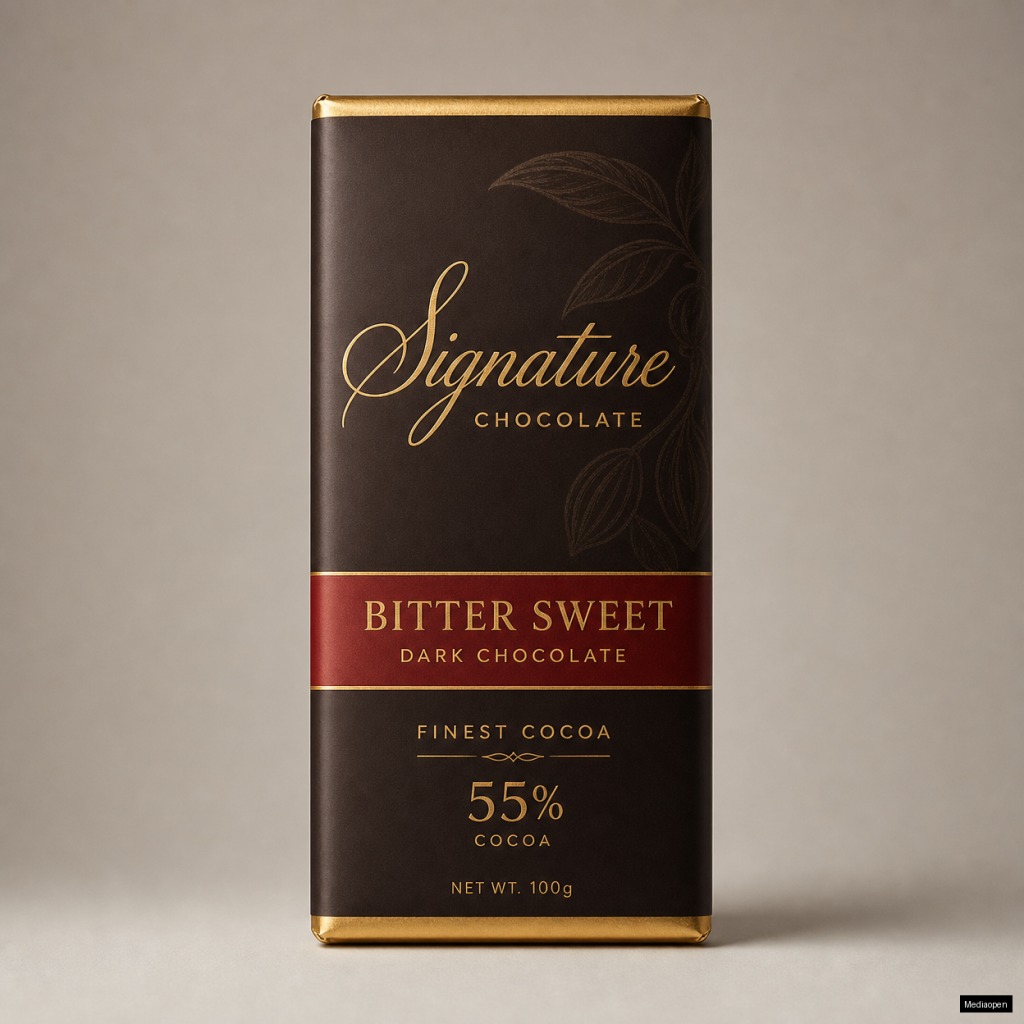
Signature Bitter Sweet Bar – The Perfect Balance of Bitter and Sweet Dark Chocolate
May
In Defense of White Chocolate
White chocolate is perhaps the most misunderstood and unfairly maligned product in the entire world of confectionery. Among serious chocolate enthusiasts — particularly those who have devoted their tasting lives to the exploration of dark chocolate’s complex pleasures — white chocolate is often dismissed with a casual wave: it is not “real” chocolate, they say, containing no cocoa solids and therefore lacking the defining substance of genuine chocolate; it is merely sweetened fat, they argue, a vehicle for sugar and dairy masquerading as something more sophisticated.
This dismissal, while understandable given the generally mediocre quality of most commercially produced white chocolate, fundamentally misrepresents what exceptional white chocolate can be. The problem is not with white chocolate as a category — it is with the quality of ingredients that most white chocolate uses and the standards to which most white chocolate is produced. When made with premium cocoa butter, the finest dairy, and real vanilla of exceptional quality, white chocolate reveals itself as a genuinely complex and rewarding confection — different from dark chocolate in character but in no sense inferior.
Vanilla Snow White Chocolate is our proof of concept: a white chocolate bar that challenges every preconception about the category and demonstrates that, done properly, white chocolate is one of the most exquisite and elegant chocolate experiences available.
Cocoa Butter: The Heart of White Chocolate
White chocolate derives its flavor and texture from cocoa butter — the precious golden fat that constitutes approximately 50% of the weight of a cacao bean and that is separated from the cocoa solids (which become cocoa powder) during chocolate processing. Premium cocoa butter has a flavor that is subtle but genuinely beautiful: delicately sweet, faintly floral, with a warm creaminess that is utterly distinct from any other fat. It melts at just below body temperature, which is why white chocolate has that extraordinary, almost liquid quality on the tongue that no other confection quite replicates.
For Vanilla Snow White Chocolate, we use only the highest grade of cocoa butter — cold-pressed from the finest West African cacao beans and deodorized to a minimal degree that removes only the most volatile off-notes while preserving the butter’s natural character and complexity. Many mass-market white chocolate products use heavily deodorized or refined cocoa butter that has been stripped of virtually all its inherent flavor, then rely entirely on vanilla and sugar to provide taste. Our approach preserves the cocoa butter’s natural delicacy, creating a richer, more complex base for the final chocolate.
Tahitian Vanilla: The World’s Most Exotic Bean
If Madagascar Bourbon vanilla is the classic, universally admired choice for chocolate and pastry work — warm, rich, and reliably excellent — then Tahitian vanilla is its more exotic, mysterious cousin: floral, complex, slightly fruity, and possessed of a character that is immediately identifiable once you have encountered it. Grown in the French Polynesian islands of Tahiti and Raiatea, Tahitian vanilla belongs to a different species from the Mexican Vanilla planifolia that produces all other major vanilla varieties, and its flavor profile is correspondingly unique.
Tahitian vanilla pods are noticeably thicker and more plump than their Mexican or Madagascan counterparts, containing a higher proportion of the oily, aromatic compounds that give vanilla its characteristic scent and flavor. The aroma is rich and complex — vanilla, of course, but layered with notes of cherry, anise, chocolate, and a subtle floral quality reminiscent of heliotrope or cherry blossom. These additional aromatic dimensions make Tahitian vanilla the ideal partner for cocoa butter’s own delicate, creamy character, amplifying and complementing it rather than simply adding the expected vanilla note.
We use hand-selected Grade A Tahitian vanilla pods, sourced directly from a small cooperative on Raiatea through a fair-trade partnership. The pods are split and scraped by hand at our production facility — a labor-intensive process that ensures the maximum extraction of the seeds and their aromatic oils — and the seed paste is incorporated into the chocolate mass during the conching process, where the sustained agitation and moderate heat promote the full integration of the vanilla compounds into the cocoa butter matrix.
Whole Milk and Cane Sugar: Simple Perfection
Beyond cocoa butter and Tahitian vanilla, Vanilla Snow White Chocolate contains just two additional ingredients: whole milk powder and pure, unrefined organic cane sugar. The choice of whole milk powder over skimmed milk powder is a deliberate quality decision — whole milk powder retains the fat-soluble flavor compounds and the higher butterfat content that give full-fat dairy its characteristic richness and depth. The milk character in our white chocolate is genuine and full-flavored, contributing a warm, comforting creaminess that forms the backbone of the bar’s flavor.
The organic cane sugar we use is minimally processed — retaining a trace amount of its natural molasses content that gives it a slightly fuller, warmer sweetness than the completely neutral sweetness of refined white sugar. This subtle additional complexity contributes to the bar’s overall flavor without being individually perceptible, helping to create the impression of depth and richness that distinguishes exceptional white chocolate from its lesser counterparts.
The Snowflake Bar: Design as Quality Signal
The physical design of the Vanilla Snow White Chocolate bar has been carefully considered to reflect and communicate the quality within. The bar is cast in a custom mold featuring an intricate snowflake pattern on one side and a smooth, perfectly even surface on the other — a design that references the bar’s name while demonstrating the precision of our tempering process, as only perfectly tempered white chocolate will capture and hold the fine detail of the snowflake mold without blooming or losing definition.
White chocolate tempering is technically more challenging than dark chocolate tempering, requiring precise temperature control over a narrower working range. The cocoa butter in white chocolate must be guided through the exact same crystallization process as in dark chocolate — heating, cooling, and re-warming to specific temperatures to encourage the formation of the stable Form V crystal structure that gives properly tempered chocolate its gloss, snap, and smooth melt. Evidence of good tempering is visible in the bar’s surface: a clean, even sheen; a smooth, dry feel; and the clean snap when the bar is broken.
How to Taste White Chocolate Properly
Many people who believe they do not enjoy white chocolate have only ever experienced poor-quality versions — products made with low-grade cocoa butter, artificial vanilla, and excessive sugar that produce a cloying, one-dimensional sweetness with little else to recommend them. Tasting Vanilla Snow White Chocolate for the first time often produces a moment of genuine surprise, as the expected sweetness arrives accompanied by unexpected complexity and depth.
To taste the bar properly, allow a small piece to melt on the tongue without chewing. The first sensation will be a clean, gentle sweetness followed immediately by the warm, creamy qualities of the cocoa butter — a subtle fat richness that is entirely distinct from the dairy creaminess. Then the vanilla emerges: first the familiar warm vanilla note, then the more unusual floral and cherry-like aspects of the Tahitian variety that distinguish this bar from any white chocolate you have tasted before. The finish is long and delicate — sweet but not cloying, creamy but not heavy, with the vanilla lingering pleasantly long after the chocolate has melted.
Culinary Applications
Vanilla Snow White Chocolate is not only a superior eating chocolate but also a remarkably versatile culinary ingredient. Melted, it produces a ganache of extraordinary smoothness and delicate flavor — ideal for filling cakes, macarons, or bonbon shells where a gentle, non-assertive chocolate flavor is preferred. Tempere and poured over fresh fruit, it creates a coating of beautiful elegance that allows the fruit’s natural color and character to show through the pale chocolate.
For baking, the bar dissolves beautifully into cookie and cake batters, adding a creamy sweetness and vanilla depth that purchased vanilla extract alone cannot achieve. White chocolate blondies made with our Vanilla Snow bar and topped with fresh raspberries are a particular revelation — the bar’s cocoa butter richness creates a fudgy, dense texture while the Tahitian vanilla perfumes every bite with its complex, floral sweetness.
